
Practical Materials for Built-In Storage in a Busy Family Home
Practical Materials for Built-In Storage in a Busy Family Home
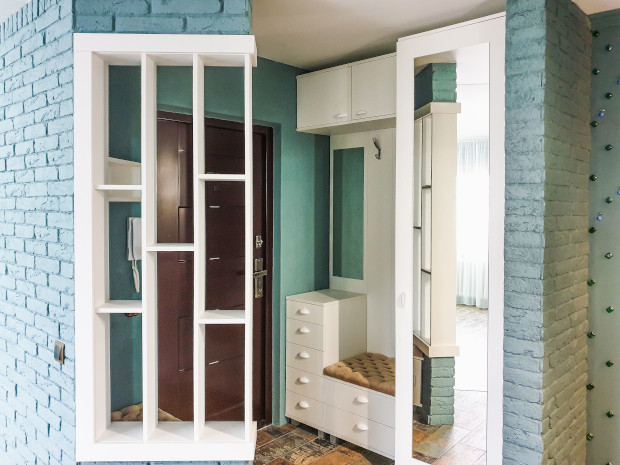
Coats pile up by the front door, toys migrate between rooms and bedroom shelves fill faster than expected. Built-in storage can give those everyday things a place to live, but choosing a colour is only one part of the job. The board material, exposed edges, room conditions and measurements all affect how practical the finished storage will be. For families planning fitted cupboards or shelves, Cutwrights is one option for ordering boards cut to specified sizes. First, it helps to work out what each part of the storage needs to do.
What makes a material practical for family storage?
Start with the location and the things the storage will hold. A hallway cupboard needs space for coats, bags and shoes; bedroom shelves may need to accommodate books, folded clothes and changing collections of toys. Think about which surfaces people will touch regularly, which areas may need frequent cleaning and whether the installation sits near a sink or another source of splashes. These questions help narrow down the finish and product specification before anyone starts measuring panels.
There is no single board that suits every family home. Wood-based sheet materials come in different types and grades, and selecting a product intended for the application matters, as TRADA’s guidance on wood-based sheet materials explains. A useful plan therefore considers the board and its finish together: what the visible surfaces should look like, how the edges will be treated and what care the chosen product requires. If a joiner is building the unit, agreeing on those details early also makes it easier to specify the parts accurately.
How do melamine-faced board, MDF and plywood differ?
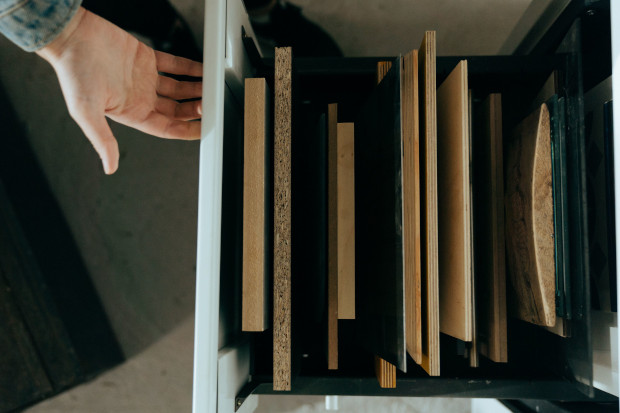
Melamine-faced board is worth considering when the design calls for a finished decorative surface rather than one that will be painted after fitting. Colour and finish still need to be chosen in the context of the room, and cut edges should be included in the plan rather than overlooked. For a fitted cupboard, made-to-measure melamine panels can be ordered to a defined layout, provided the dimensions and edge requirements have been worked out first. Check the particular board’s specification and care instructions instead of assuming every melamine-faced product will perform the same way.
MDF offers another route where the intended finish and the specified grade suit the project. Someone planning painted doors or a particular cabinet detail might discuss MDF with their joiner, including how cut surfaces will be prepared for that finish. Plywood is a layered sheet material and may be considered where its appearance or construction fits the design. Its suitability also depends on the product grade and intended conditions; the name alone does not tell a buyer whether a sheet belongs in a particular installation. The choice is less about ranking three materials and more about matching a specific product to each component of the build.
Why do edges and room conditions matter?
A cupboard side beside a kitchen sink faces different conditions from a shelf in a dry bedroom. Even where a panel has a finished face, cutting it creates edges that need their own treatment. Moisture exposure is one reason to pay attention: guidance for wood-based panels distinguishes between products intended for different conditions and highlights the importance of protecting exposed edges where the application calls for it. The Jewson guide to sheet material grades illustrates why a board’s stated use matters when conditions may be humid.
For family storage, that means mapping likely splashes and cleaning routines before settling on a material. A unit close to a sink deserves particular attention at its joins, edges and base, while a bedroom wardrobe presents a different set of demands. Ask how each visible and concealed edge will be finished, and follow the selected product’s instructions for installation and care. A finished-looking face should not be treated as a promise that the whole panel is suitable for repeated wetting.

What should you plan before ordering cut-to-size parts?
Measure the space as an installation, not just as an empty opening. Check its width and height at more than one point, and note skirting boards, uneven walls, sockets, pipes and anything else that might affect the fit. Then decide how deep the unit can be without obstructing a walkway or making a door awkward to open. Shelves, doors, hinges and any internal dividers all need room of their own. A quick sketch with each component labelled can reveal a missing clearance before it becomes a problem on fitting day.
It also helps to decide which edges will be visible, where holes for fittings are needed and how the finished unit will be installed. Cutwrights offers cutting, edging and drilling services alongside online quoting, samples and a showroom; those options are relevant when a homeowner or tradesperson has a clear specification for custom parts. A board cutting service can prepare panels to the dimensions supplied, but it cannot replace checking the space and the proposed layout. Keep the measurements, board choice and fitting plan together so changes to one do not leave the others out of date.
How can storage work better for everyday family life?
Think about the routine in each room before deciding where shelves or cupboards go. In a hallway, giving school bags and shoes an accessible place may matter more than fitting in another narrow shelf. In a play area, storage is easier to use when frequently reached-for items have an obvious home. Bedroom cupboards may benefit from a mix of space for everyday clothes and room for things used less often. These choices affect shelf spacing and door layout, so they belong in the drawing rather than being left until after the panels arrive.
Maintenance should fit that routine too. Before choosing a surface, check the manufacturer’s cleaning instructions against how the household actually uses the space. Consider whether a door will make a cluttered area look calmer or simply get in the way of quick access. If the project includes an existing kitchen unit, it may be sensible to assess what can stay before planning a replacement; this approach also features in A Mum Reviews’ guide to refreshing a tired kitchen. The most useful layout is one the household can comfortably use and maintain.
Frequently asked questions
Material decisions often become clearer once the room, finish and fitting plan have been considered together. These short answers cover the questions that commonly come up before panels are specified or ordered. They are a starting point for discussing a particular design with the person making or installing it.
Which board is practical for built-in family storage?
The practical choice depends on the room, the intended finish and the conditions the unit will face. Check the specific board’s grade and guidance rather than choosing by material name alone.
Is melamine-faced board suitable for fitted storage?
Melamine-faced board can be considered for a fitted unit when its specification suits the intended indoor use. Plan the cut edges and check the product’s care instructions as well as its appearance.
When might MDF be considered?
MDF may be an option when its grade suits the application and the planned finish. Discuss preparation of cut surfaces if the design calls for painting.
Do panel edges need attention?
Yes. Cutting exposes edges that may need finishing or protection according to the product and its location, especially where moisture exposure is possible.
What should be measured before ordering panels?
Measure the opening at several points and record its depth, obstructions and any uneven areas. Allow for doors, fittings and installation clearances when turning those measurements into component sizes.
Can custom-cut panels simplify a storage project?
Custom-cut panels provide parts to the dimensions ordered and can reduce cutting work during the build. A good fit still depends on accurate measurements, a complete parts plan and careful installation.
A family-friendly storage project starts with the life happening around it. Choose products for their intended conditions, decide how every edge and opening will work, and measure the whole installation before ordering parts. Those steps make it easier to turn a promising design into storage that suits the household’s daily routine.
Guest Article.
Related Posts


About The Author

A Mum Reviews
This blog is edited by a mum with over 15 years of professional childcare experience. Now over a decade into motherhood and still enthusiastic about finding great products and helpful solutions for busy families to make life more fun and easier too.