
Ditching the Oil Tank: What Irish Families Should Know About Switching to LPG
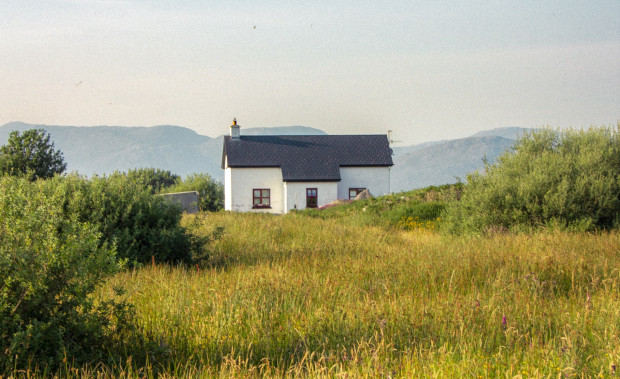
What Irish Families Should Know About Switching to LPG
Anyone who has lived in a house with an oil tank knows the routine. You go out with a torch in January to check the gauge, ring around for a delivery, and hope the price hasn’t jumped since the last fill. For a lot of families in rural Ireland and Northern Ireland, mains gas never made it down the road, so oil became the default. It isn’t the only option, and if your boiler is getting on a bit, now is a good time to look at the alternatives.
The short answer
Liquefied petroleum gas (LPG) is one of the most common heating fuels for homes that aren’t on the gas grid. It’s stored in a tank outside the house, or in cylinders for smaller jobs, and one supply can run your central heating, hot water, hob and even a gas tumble dryer. Calor Ireland has been supplying gas on the island for over 85 years and has around 50,000 customers, so it’s a well-trodden path rather than an experiment.
Why families look at LPG in the first place
The reasons people give tend to be practical ones. LPG burns more cleanly than heating oil, so you get fewer emissions and no oily smell around the back door. Gas systems usually need less upkeep than oil ones too, and with Calor the company looks after maintenance and repairs on the tank itself, so a broken gauge in February doesn’t turn into a surprise bill.
Then there’s the gauge-checking. Calor’s tanks can be fitted with telemetry, which means the tank reports its own level and a top-up is arranged automatically. If you’ve ever run out of oil on a Sunday night with a baby in the house, you’ll understand why parents mention this one first.
Cooking is the other big draw. Plenty of people grew up with gas hobs and miss being able to turn a flame down instantly when the pasta is about to boil over. With LPG you can have gas cooking even in the middle of the countryside.
What switching involves
The process is simpler than most people expect, and it happens in three stages:
- You fill in an enquiry form and someone from Calor rings you to talk through what you need: heating only, or heating plus cooking, hot water and so on.
- A Calor specialist draws up an installation plan, and a registered gas installer of your choice carries out the work. The team works out where the tank should sit and sets up the gas connection to the house.
- Your first gas delivery usually arrives within a few days of installation.
If you’re in the Republic, Calor’s guide on how to switch to lpg from oil walks through each step and links to information on home energy grants. Upgrades such as smart heating controls may qualify for support and can improve your home’s Building Energy Rating (BER), which helps if you ever plan to sell or rent. Grant schemes change, so check the current eligibility with SEAI before you budget around one.
A few things are worth sorting out before the installer arrives. Think about where a tank could go so the delivery lorry can reach it without crossing the kids’ play area. Decide whether you want gas cooking now, since adding the pipework at the same time is easier than coming back to it. Ask what will happen to the old oil tank, because removal isn’t automatic. And if you can, plan the switch for late spring or summer. Nobody wants to be without heating for a day in December.
Not ready for a tank? Cylinders cover a lot
Bulk tanks make sense for whole-house heating, but plenty of households only need gas for one or two things: a portable heater for a cold conservatory, the barbecue, a patio heater, a mobile home or the cooker in a holiday cottage. Cylinders do this job without any installation.
In Northern Ireland, Calor Direct is the door-to-door delivery service, and you can order gas cylinder online in northern ireland or ring your local centre. There are local teams covering Belfast and Lisburn, Omagh, and Derry/Londonderry, with same-day or next-day delivery where it’s available. Calor says there are no delivery charges. Payment is by card, either over the phone or to the driver at the door, and cash isn’t accepted. When you reorder, mention that you have empties and they’ll be taken away.
They deliver to farms and remote homes as well as towns. Apartments are fine where the driver has safe access, but say so when you order.
Cylinders run from compact 5kg bottles up to 47kg. As a rough guide, butane suits portable indoor heaters and camping stoves, while propane is the one for outdoor use and anything running through winter, because it keeps working in freezing temperatures when butane struggles. Calor also sells BioLPG, a lower-carbon version made from renewable feedstocks.
Keeping gas safe with children around
LPG is safe when it’s installed and used properly, and a few habits matter more when there are small people in the house:
- Have a carbon monoxide alarm in any room with a gas appliance, and test it monthly.
- Get the boiler serviced every year by a registered installer (RGI in the Republic, Gas Safe in Northern Ireland).
- Store spare cylinders upright, outdoors or somewhere well ventilated, and never in a cellar or under the stairs. LPG is heavier than air, so a leak will sink and collect in low spaces.
- Keep cylinders away from heat and out of reach of curious hands.
- If you smell gas, turn the supply off at the cylinder or tank, open windows, avoid light switches and call the emergency number on your tank or cylinder.
Is LPG the right choice for your home?
It depends on the house. In a well-insulated modern home, a heat pump might suit you better, especially with grant support. In an older farmhouse or a cottage with thick stone walls, where a heat pump would mean a big insulation project first, LPG is often the more realistic step away from oil. It also wins if gas cooking is high on your list.
Prices for both oil and LPG move with world energy markets, so get a quote based on your actual usage and compare the cost per kWh rather than per litre. The two fuels hold different amounts of energy, so per-litre comparisons mislead.
Frequently asked questions
Is LPG cheaper than heating oil?
It depends on current prices and how much heat your home uses. Ask for a quote and compare cost per kWh of heat. LPG systems often need less maintenance, which affects running costs over the years.
How long does it take to switch from oil to LPG?
After the consultation and installation plan, the work itself is usually quick, and your first gas delivery typically follows within a few days of installation.
Can I get LPG in Northern Ireland without a tank?
Yes. Calor Direct delivers cylinders from 5kg to 47kg to homes and businesses across Northern Ireland, with no delivery charge and same-day or next-day delivery where available.
Who looks after the LPG tank?
Calor handles maintenance and repairs on its tanks, and telemetry can monitor the level and trigger automatic top-ups.
Is there a greener LPG option?
Calor offers BioLPG, a lower-carbon alternative that works in the same appliances as standard LPG.
Guest Article.
Related Posts


About The Author

A Mum Reviews
This blog is edited by a mum with over 15 years of professional childcare experience. Now over a decade into motherhood and still enthusiastic about finding great products and helpful solutions for busy families to make life more fun and easier too.