
How to Refresh a Plain Garden Wall Without Losing Valuable Family Space
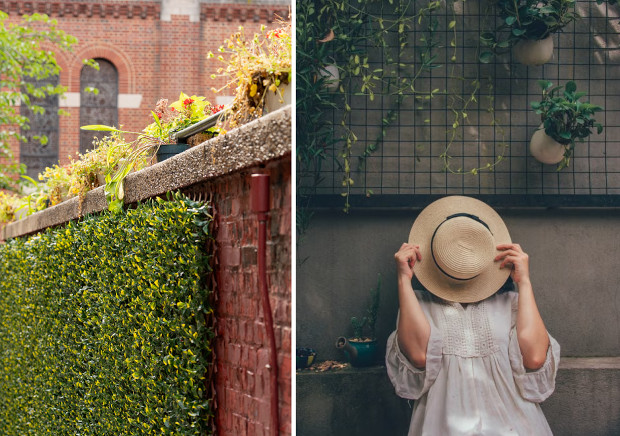
Refreshing a Plain Garden Wall Without Losing Valuable Space
A plain brick or concrete wall can make even a lovely garden feel a little dull. You might want to brighten it up with plants, decorative panels or a fresh colour. But when children already need room to play, adding more things to the garden isn’t always practical.
The good news is that you don’t need a large garden or a complete makeover to improve an existing wall. By choosing the right finish and keeping decorations close to the surface, you can make the space more attractive without losing the room your family uses every day. Here’s how to approach it.
Start by Checking the Condition of Your Garden Wall
Before choosing paint or decorative cladding, take a good look at the wall itself. Check for loose bricks, damaged mortar, cracks and areas that remain damp long after rainfall. A few surface stains might only need cleaning, but a leaning wall or loose masonry is a different matter.
The UK government’s garden wall safety guidance recommends checking boundary walls regularly for signs of deterioration. It was published in May 2013 and remains useful for identifying potential problems.
If your wall is leaning, has significant cracks or supports soil at a higher level, seek professional advice before attaching anything to it. Decorative materials won’t repair structural damage. Once you’re confident the wall is sound, you can start planning its appearance.
Think About How Much Garden Space You Actually Have
In a small family garden, every metre matters. A deep flower bed might look lovely, but it can reduce the space available for games, outdoor furniture or a paddling pool.
Imagine a garden measuring 5 metres wide and 6 metres long. That’s 30 square metres of outdoor space. Now suppose you build a raised planting bed measuring 0.6 metres deep along the full 5-metre wall. That takes up 3 square metres, or 10% of the garden’s original area. It’s a simple example, but it shows why the depth of a garden feature matters.
Instead of building outwards, think about ways to improve the wall itself. Painting, suitable wall-mounted decorations and some exterior cladding systems can change its appearance without occupying a large section of the ground.
For more ideas about keeping outdoor areas practical, A Mum Reviews has a helpful article on easy garden upgrades for family life.

Give the Wall a Fresh Coat of Exterior Paint
Painting is often the simplest place to start, particularly when the wall is structurally sound but looks tired. A fresh colour can make old brickwork or concrete look cleaner and more welcoming. Soft cream, pale grey and warm white can work well with greenery. Darker colours, such as charcoal or forest green, may suit gardens with contemporary furniture.
Choose paint designed for the particular outdoor surface. Preparation usually involves removing loose dirt, treating suitable surface growth and allowing the wall to dry as directed. Painting is generally less expensive than installing a new covering, but it will need occasional maintenance. If you want a bigger change in texture, another finish might suit you better.
Use Slatted Cladding for a Different Look
Some garden walls need more than a colour change. A textured finish can make a plain surface more interesting, particularly when the garden has simple paving or modern furniture.
Timber battens are one option. They create repeating lines and a natural appearance, although untreated or poorly maintained timber can deteriorate outdoors.
Another option is teak-effect composite cladding, which offers a wood-grain appearance with raised slatted detailing. This type of exterior finish can work well on a suitable masonry wall or garden building. However, it needs an appropriate fixing system and must not be attached directly to unstable brickwork.
For example, Ultra Decking’s teak slatted boards have a nominal width of 174 mm and an installed coverage width of 150 mm. The difference matters when calculating quantities.
Composite cladding also needs cleaning, and its performance depends on correct installation. Check the manufacturer’s guidance on battens, ventilation, drainage and fixings before choosing it. For a shared boundary wall, establish ownership and agree on any proposed alterations where necessary.
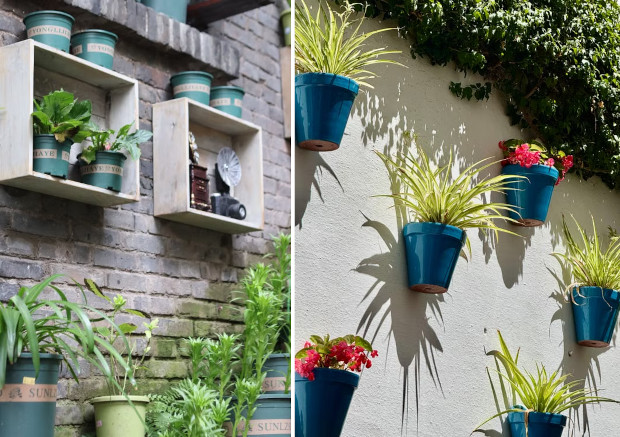
Add Greenery Without Filling the Ground
Plants can soften a plain garden wall, but you don’t necessarily need a wide flower bed. Climbing plants supported by a suitable trellis can add colour and interest while keeping most of the garden open.
Choose plants based on the amount of sunshine the wall receives and how much maintenance you’re prepared to do. A sunny wall might suit certain flowering climbers, while a shaded area may need something different. Avoid letting vigorous roots or stems damage ageing mortar or nearby structures.
Wall-mounted planters are another possibility, provided the wall and fixings can safely support their weight when the soil is wet. If you like the idea of creating a green feature, our article about growing food together at home offers simple ideas for involving children in gardening. Even a few small herb pots nearby can make the area feel more welcoming.
Choose Decorations That Don’t Get in the Way
Not every garden wall needs expensive materials. A few carefully chosen details can make a difference, especially when they match the style of your outdoor furniture.
Consider these space-saving options:
- Outdoor wall art: Choose weather-resistant pieces with secure fittings and no sharp edges.
- Solar wall lights: Add gentle evening lighting without taking up floor space.
- Slim trellis panels: Support suitable climbing plants without building deep beds.
- Hanging planters: Bring greenery higher up, provided the wall can take the load.
- A painted feature section: Add colour to one part of the wall rather than redecorating everything.
In gardens used by young children, avoid heavy decorations that could become loose. Keep hanging objects out of play areas and don’t place climbable furniture against a high boundary wall.
A Mum Reviews also shares ideas for decorating gardens in spring and summer, including simple ways to make outdoor areas more inviting.
Think About Privacy and Natural Light
A garden wall can look attractive without needing to become taller. If privacy is your main concern, think carefully before adding screens above the existing boundary.
Extra height may increase wind loading and could require permission or structural checks. It can also block useful sunlight. Sometimes a better solution is to improve the seating arrangement or add a suitable screen in a different position. The site’s guide to using garden screens outdoors explains several options for creating more private areas. Remember that decorative wall cladding changes the surface appearance. It doesn’t automatically provide additional privacy or strengthen an existing boundary.
Make the Most of the Wall You Already Have
Refreshing a plain garden wall doesn’t need to become a major project. Start by checking its condition, then decide what would make the biggest difference. For some families, a fresh coat of paint will be enough. Others might prefer climbing plants, simple decorations or a new textured finish.
The important thing is to choose improvements that suit your garden and the way your family uses it. A good wall makeover should make the garden feel more welcoming without taking away the space you need to enjoy it.
Guest Article.
Related Posts


About The Author

A Mum Reviews
This blog is edited by a mum with over 15 years of professional childcare experience. Now over a decade into motherhood and still enthusiastic about finding great products and helpful solutions for busy families to make life more fun and easier too.